
Author: PC-DC Staff Published: 9/2/2026 PC-DC

Every electric consumer in the District of Columbia helps pay for the city’s shift to renewable energy. The reason is a DC law called the Renewable Portfolio Standard, or RPS, which took effect in 2005. It requires over time that every company selling electricity to District customers acquire a growing share of that power from sources such as solar and wind generation. The goal is to foster cleaner air and less climate pollution.
The share has increased each year toward a target of 100 percent of renewable energy supply in 2032. Additionally, a portion of this renewable energy must come from solar panels. Each year, suppliers must prove they are following the law either by supplying electricity from renewable sources or by turning in certificates called Renewable Energy Credits to the DC Public Service Commission, which enforces the regulation.
Suppliers that don’t meet the RPS requirement must pay a penalty. The penalties are passed on to ratepayers, and these costs accounted for about 15 percent of an average residential electric bill in 2025.
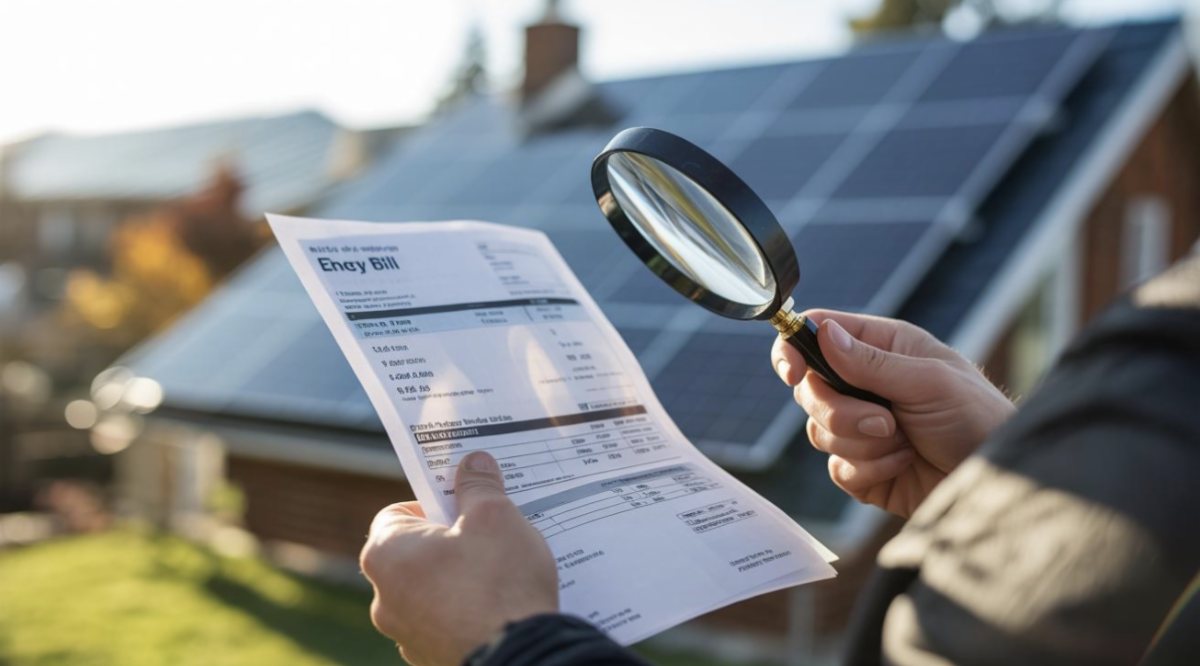
You won’t see a separate line for RPS fees on your electric bill, but it’s included in electricity prices. The cost of meeting the RPS target has grown from about $20 a year in 2007, to roughly $240 a year in 2025.
You won’t see a separate line for RPS fees on your electric bill, but it’s included in electricity prices. The cost of meeting the RPS target has grown from about $20 a year in 2007, to roughly $240 a year in 2025.
When electric bills rise due to multiple factors, consumers don’t always know the reasons. The bigger drivers for higher utility bills are actually generation and transmission costs, which cover the costs of purchasing electricity and moving it to utility companies for distribution to local customers. But unless RPS costs are managed, they may become a bigger contributor to higher bills.
As DC lawmakers continue to fine-tune the RPS law, OPC is conducting a study of the impact of solar rules. The study is expected to be completed next year.
In a future article, we will look at the solar components of this law and how residents who go solar can earn and sell their credits to lower their electric bills.