
Why Is My Energy Bill Going Up
Authors: Author: Charles Harper and Medhini Kumar Published: 4/25/2025 Evergreen Action
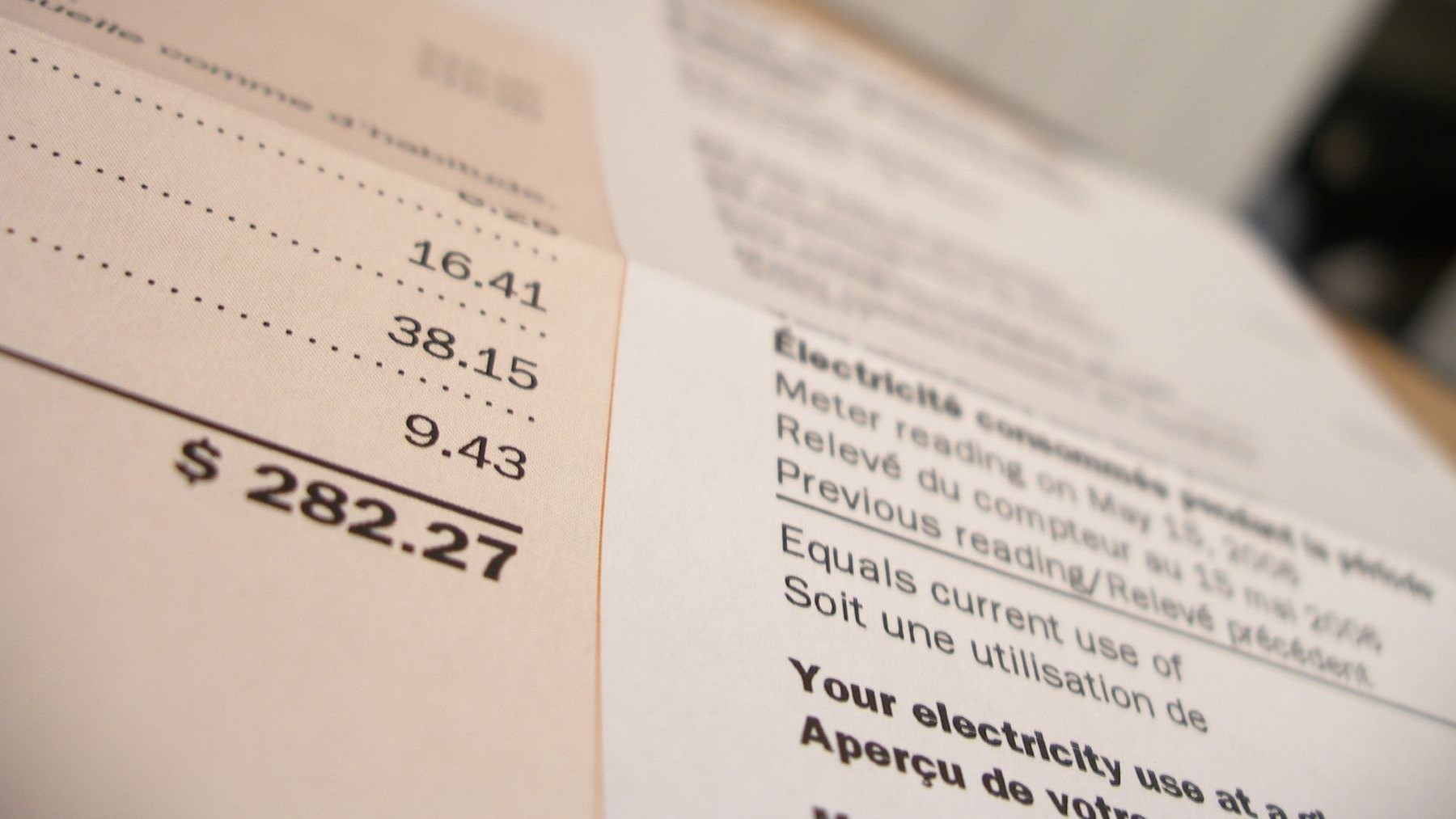
It’s not your imagination. Energy bills in the U.S. have been rising, and if you’re feeling overwhelmed by it, you’re not alone. A recent survey found that over 50 percent of Americans reported feeling overwhelmed by utility costs. But why are bills going up, what can we do about it, and how can cheap, clean energy help?
Why Is My Energy Bill Going Up?
You might be wondering: Why are energy costs so high? The answer largely boils down to fossil fuel price volatility, surging electricity demand, and the impacts of the climate crisis. And with these higher energy costs come higher electric bills, higher natural (fossil) gas bills, and higher gasoline prices.
What Causes Higher Power Bills?
Power bills include both the cost to produce electricity at power plants and the cost of the grid infrastructure needed to get it to your home or business. Both have gone up. Right now, about 60 percent of U.S. electricity comes from fossil fuels, including fossil gas and coal. Fossil fuel prices have increased over the last few years, partially in response to the war in Ukraine and other geopolitical uncertainty, and they remain quite volatile. When the cost of fossil fuels needed to produce this electricity goes up, it gets passed on to you as higher power bills.
The upkeep cost of grid infrastructure has also increased. The hidden reason for this increase is climate change (which is, of course, primarily caused by the burning of fossil fuels). With more extreme weather events and wildfires, utility companies are paying more to repair and upgrade power lines. Some power lines have also sparked wildfires, including in California, so utilities are paying more for risk insurance to protect themselves from future wildfire liability. Again, many of those costs are passed on to customers through their energy bills.
Demand for energy is surging in the U.S., and that is starting to show up on energy bills. As power-hungry data centers get built around the country to enable the boom in artificial intelligence (AI), utilities also need to build new power infrastructure to supply these data centers. Without ratepayer protections, communities get stuck footing the bill for Big Tech’s power needs.
What About Higher Gas Bills and Gasoline Prices?
Global instability and controversial new tariffs are driving up gas and gasoline prices, impacting consumers and the broader economy. Fossil fuels like natural gas and gasoline are bought and sold on a global market, so geopolitical uncertainty can affect their cost. We saw that with Russia’s invasion of Ukraine when global fuel prices spiked.
The recent tariffs announced by President Trump have also increased the cost of fossil gas and gasoline, much of which is imported from countries like Canada and Mexico. Tariffs on Canadian energy are expected to increase gasoline prices in the Midwest by up to 50 cents per gallon. While Americans who use electric heat pumps for heating or electric vehicles for transportation are less exposed to volatile fossil fuel prices, higher fuel prices also lead to higher prices for any goods or services that require energy to make or transport.
What Can States Do to Lower Energy Bills?
Not all energy bills are made equal. What you end up paying each month in your electricity bill largely depends on the decisions your state makes on where and how it gets energy, whether it has invested in energy efficient buildings, or how dramatically climate change has affected your part of the country. In other words, local policy matters when understanding your energy costs.
What do the states with the lowest prices have in common? According to a 2024 report by the nonpartisan think tank Energy Innovation, many of the places that have seen the lowest energy bill increases since 2010 are states that have built large amounts of clean energy. States like Iowa, Kansas, New Mexico, and Oklahoma that have built the most cheap wind and solar energy (PDF) have actually seen energy prices increase less than overall inflation.
Which states have the highest energy bills? It turns out that the states most reliant on gas for electricity have been exposed the most to higher fuel costs and volatile fossil fuel prices. States that have lots of aging coal plants have also sunk large amounts of money in keeping these expensive plants online. The other common denominator of high-energy cost states is extreme weather: States like California, where wildfires put grid infrastructure at risk and create financial liability, have seen bills go up more than average.
States that have more energy-efficient buildings and efficiency requirements usually see lower energy bills. Even with higher prices, if you are using less electricity then you will be less affected by energy price spikes.
How Do I Lower My Bills? Hint: Cheap, Clean Energy.
There are several lessons to be learned from the states that have kept prices down. The first lesson is that building cheap, clean energy keeps bills down. Clean energy is cheaper than fossil energy. Wind and solar are the two cheapest forms of electricity around (PDF), and states and utilities that build them can also take advantage of a federal tax credit that cuts their cost 30 percent. Even without tax credits, new wind and solar projects are about half the price of new natural gas power.
Wind turbines and solar panels can also be built faster than large fossil fuel power plants. Electricity demand is increasing every year, especially with the growth of AI data centers. So if energy supply doesn’t keep up with energy demand, we’ll see higher average prices. We’re already seeing these increases in places like the Mid-Atlantic that have not built much clean energy. Thirteen Mid-Atlantic and Midwest states are about to see up to a 30 percent increase in power prices. Wind and solar projects are usually smaller and are made of modular parts like panels and blades that can be mass-manufactured. Meanwhile, gas plants require much larger construction efforts and are subject to shortages of turbines and a supply chain backed up until the 2030s.
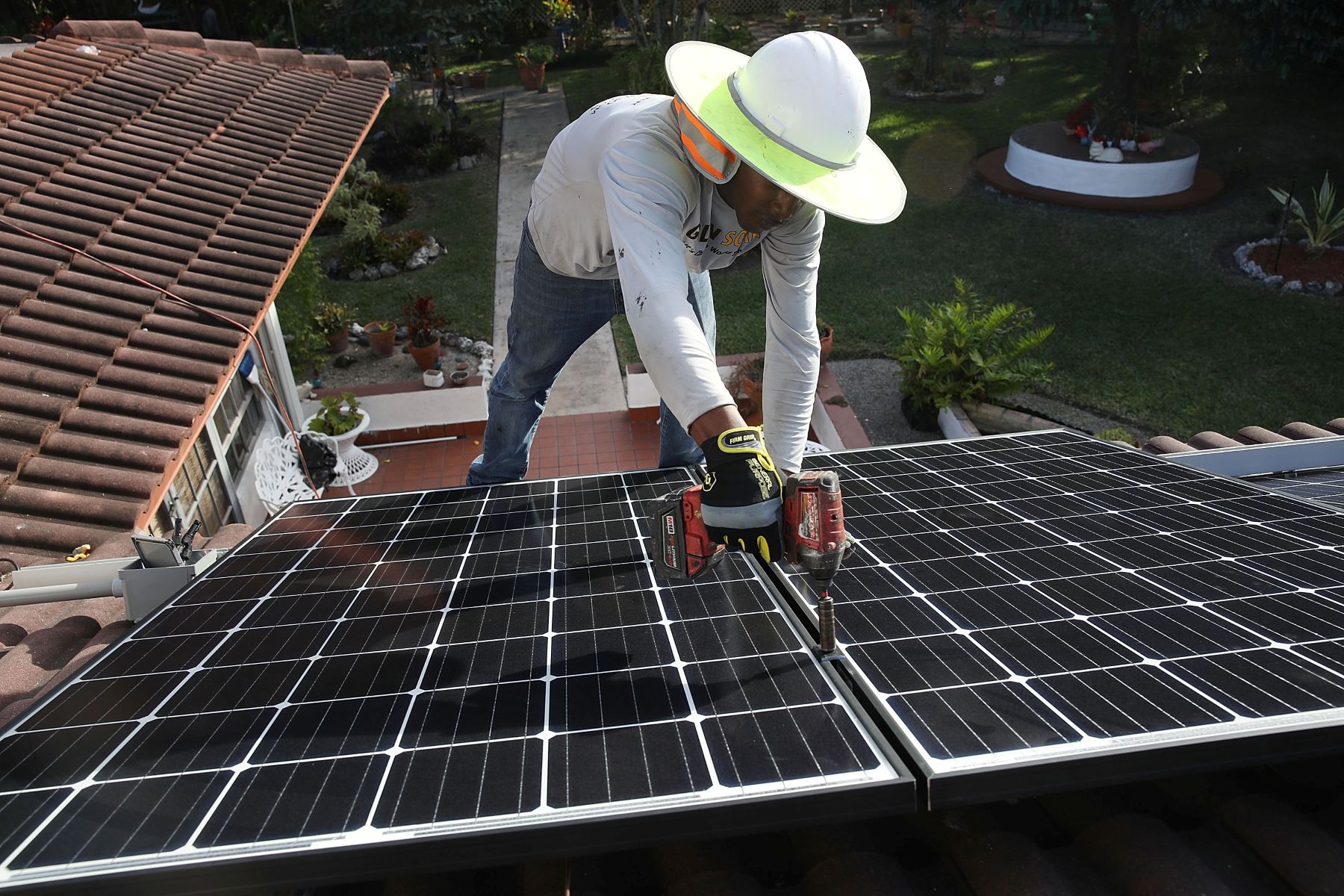
You can also reduce your individual energy bill by installing rooftop solar panels, meaning you need to buy much less power from your utility. Though potentially expensive up front, rooftop solar (and accompanying batteries) can also take advantage of the 30 percent discount from federal tax credits.
Energy efficiency and electrification also help. Better insulation in your home means that you need less energy to keep it cool or warm. Buying more efficient appliances can reduce your energy needs. Electric heat pumps and heat pump water heaters are also much more efficient than traditional heaters, air conditioners, and hot water heaters powered by gas or fuel oil. Electric and hybrid vehicles are much more efficient than gasoline cars and have much lower lifetime fuel costs.
Why The Attack On Solar and Wind Industry?
Author: Ronald Bethea Published: 8/27/2025 PCPC Online Digital Podcast Radio TV Network On Youtube
Quick recap
The meeting focused on the rising costs of electricity bills in the US and explored various factors contributing to these increases, including production costs, infrastructure expenses, and geopolitical uncertainties. Discussions covered potential solutions such as investing in clean energy, the role of regulatory organizations, and the impact of political decisions on green energy investments. The conversation also highlighted disparities in how data centers and renewable energy projects affect different communities, emphasizing the need for environmental and social considerations in energy development.
Summary
Addressing Rising Electricity Costs
Ronald discussed the rising cost of electricity bills in the US, citing a survey where over 50% of Americans felt overwhelmed by their utility costs. He introduced an article by Charles Harper that explores the reasons behind the increase and potential solutions. Ronald emphasized the importance of addressing these issues, especially for African American communities, and mentioned the Positive Change Purchasing Cooperative LLC’s efforts to increase market share for Black renewable energy companies. He also highlighted the Black Sports Legends Foundation’s HBCU radio talk show initiative and encouraged listeners to visit their website for more information.
RTOs and Electricity Regulation Overview
Ronald discussed the role of Regional Transmission Organizations (RTOs) in regulating electricity, explaining their function in managing power systems across North America and their regulation by the Federal Regulatory Commission. He mentioned that the Federal Regulatory Commission was previously headed by Willie Phillips, who was succeeded by Mark Crispy, both of whom had significant backgrounds in utility and regulatory roles.
Causes of Rising Energy Costs
Ronald discussed the causes of high energy power bills, explaining that both the cost of producing electricity and the infrastructure costs have increased. He highlighted that fossil fuel prices have risen due to geopolitical uncertainties, and climate change has led to higher costs for utility companies to repair and upgrade power lines. Additionally, the surge in demand for electricity, driven by data centers and blockchain technology, has placed a financial burden on ratepayers. Ronald also addressed the impact of global instability and tariffs on gas and gasoline prices, noting that these factors contribute to higher costs for consumers and the border economy.
Lowering Energy Costs with Clean Energy
Ronald discussed how states can lower energy costs, highlighting that states investing in clean energy like wind and solar have seen lower energy bills compared to those reliant on fossil fuels. He noted that states with energy-efficient buildings and requirements often experience lower bills, even with higher energy prices. Ronald emphasized that clean energy is cheaper than fossil fuels and that states can benefit from a 30% federal tax credit when building wind and solar infrastructure.
Renewable Energy Policy Shifts
Ronald discussed the impact of the Biden-Harris administration’s policies on renewable energy investments and the subsequent changes under the Trump administration. He highlighted the importance of understanding regulatory entities like PJM, which covers 13 states in the mid-Atlantic region, and mentioned an upcoming conference in Philadelphia on September 22nd to address energy cost issues. Ronald also provided information on tax credits for electric vehicles and encouraged attendees to visit his website for more details on state-specific projects and job creation related to renewable energy investments.
PJM Lawsuit Blocks Rate Hike
Ronald discussed Governor Shapiro’s 2023 lawsuit against PJM, highlighting the organization’s poor record on clean energy integration and its dominance by fossil fuel interests. He explained how the lawsuit, joined by 13 states, successfully blocked a proposed $21 billion rate hike for 2025, with the Federal Regulatory Commission ruling in favor of the states. Ronald concluded by noting that in 2025, Trump replaced Willie Phillips, the head of the Federal Regulatory Commission, with Mark Crispy, suggesting a potential connection between campaign funding and regulatory changes.
PJM Wholesale Electricity Price Surge
Ronald discussed the significant increase in wholesale electricity prices in the PJM region, highlighting a 600% rate hike from 2023 to 2024 and a further 22% increase in 2025. He attributed these increases to rising demand from data centers and a tightening supply-demand balance, which led to the first failure in securing enough generation to meet target capacity reserve margins. The recent auction saw prices soar to $329.17 per megawatt-day, with David Miles, the PJM board chair, noting that new load data centers were absorbing all new capacity.
U.S. Energy Regulation Overview
Ronald discussed the complex regulatory landscape of energy in the United States, focusing on the overlap between different regional authorities and their impact on fossil fuel and tech industries. He highlighted the role of the Southeastern Reliability Corporation and the Midcontinent Independent System Operator (MISO) in regulating energy across various states, including Louisiana, where Mike Johnson, head of the House, plays a significant role. The discussion aimed to shed light on the regulatory challenges and the influence of key political figures in shaping energy policies in the southern region.
Meta’s Data Center Environmental Impact
Ronald discussed Meta’s plans to build a massive data center in North America, which will require three gas turbine power plants and initially use 2,662 megawatts of electricity daily. He contrasted this with a smaller data center in Memphis, Tennessee, which has had negative environmental impacts, including increased asthma and cancer rates, due to 35 gas turbines without emissions capture technology. Ronald emphasized the need to consider environmental and social impacts when siting data centers, highlighting disparities in how such facilities affect different communities.
Political Impact on Green Energy
Ronald discussed the impact of political decisions on green energy investments, highlighting how tax credit rescissions have halted projects in red states, including a significant solar manufacturing facility in Kentucky that was canceled due to racist intimidation. He also shared updates about a data center development in Frederick County, Maryland, which received a contentious 4-3 vote for approval, and mentioned similar developments in Louisiana and other states.
Trump’s Fossil Fuel Power Plant Policy
Ronald discussed the impact of the Trump administration’s policy to keep old fossil fuel power plants running, which could cost utility consumers up to $6 billion annually. He attributed rising electricity bills and increased greenhouse gas emissions to this policy, emphasizing its negative effects on the environment and vulnerable communities. Ronald also criticized the approval of a large data center in Louisiana, expressing concern about its contribution to climate change and its potential to exacerbate future natural disasters.
MISO Wholesale Electricity Cost Surge
Ronald discussed the significant increase in wholesale auction costs for electricity in the MISO region, highlighting how prices jumped from $10 to $30 per megawatt day in 2024 and further to $66.50 in 2025, affecting 45 million people across 15 states. He explained how these rising costs impact electricity bills and water usage due to the cooling requirements for gas turbines, emphasizing the basic necessity of utilities in people’s lives. Ronald also mentioned a survey indicating that U.S. households spent $451 billion on electricity in 2024, underscoring the substantial economic impact of utility costs on American families.
Advancing Black Solar Energy Initiatives
Ronald discussed the solar industry’s challenges, highlighting the limited number of African American firms despite the sector’s growth. He attributed the decline in rooftop solar installations to the GOP tax credit repeal and emphasized the fossil fuel industry’s inability to compete with solar and wind energy. Ronald also introduced his organization’s mission to increase market share for African American renewable energy companies, address energy costs at HBCUs, and educate the community about climate change’s economic impacts. He encouraged listeners to spread the word about the podcast to support these efforts.